Your Pet’s Health, Our Priority
Comprehensive Veterinary Services for Dogs, Cats, and Pocket Pets
We provide a full range of veterinary services tailored to your pet’s unique needs and life stage. Our modern facility is equipped with advanced technology, and our care is delivered with an unwavering commitment to comfort and quality.

Wellness Exams & Vaccinations
Preventive care is the foundation of lifelong health. We provide annual exams, tailored vaccine schedules, and personalized guidance to help your pet thrive.
Laboratory Testing, X-Ray, and Ultrasound
From routine bloodwork to imaging, we offer on-site diagnostic tools to detect and treat health issues early.

Surgery and Spay/Neuter Procedures
Whether your pet needs a routine procedure or urgent surgical care, you can trust our skilled veterinary team to provide safe, compassionate treatment.
Why Pet Owners Trust Bay Animal Hospital
A Legacy of Excellence, Compassion, and Innovation
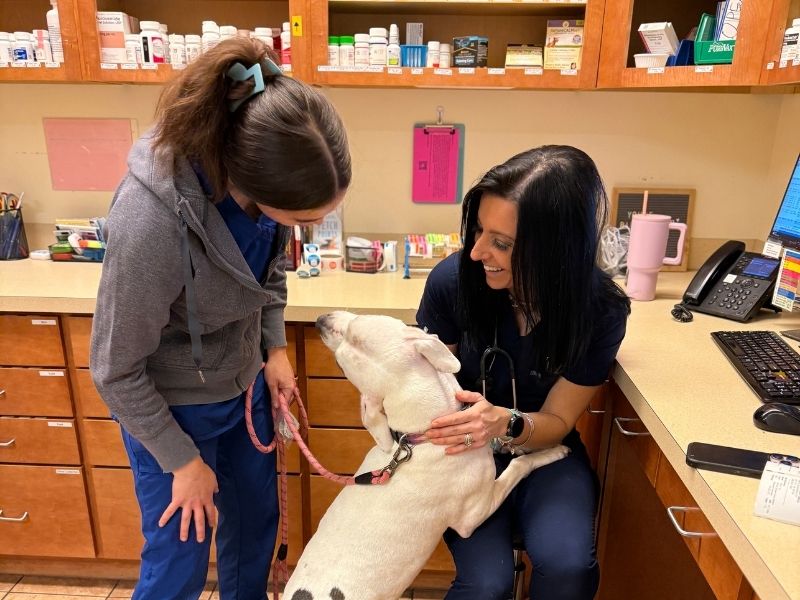
For over 60 years, Bay Animal Hospital has been a pillar in the Essexville community. What sets us apart is not just the quality of care we deliver, but how we deliver it.
Experienced, Compassionate Team

Low-Stress Environment

Generations of Trusted Relationships

Modern Medicine, Family Values
We stay current with advancements in veterinary medicine while remaining true to the friendly, honest service our clients value.
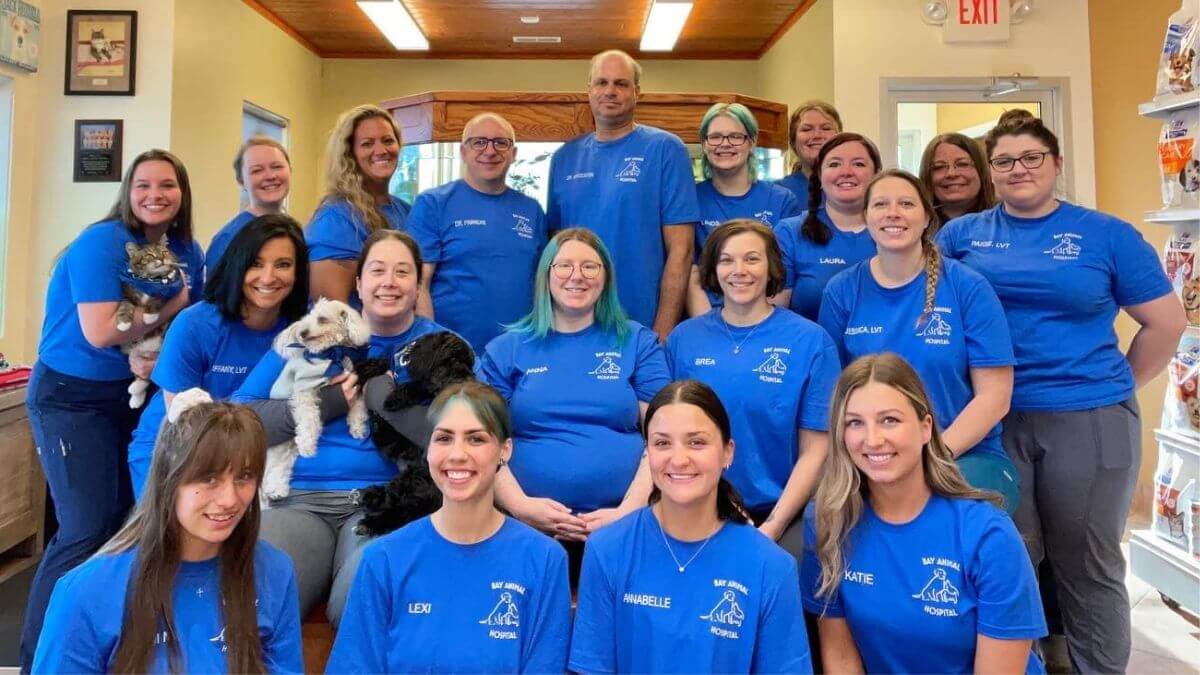
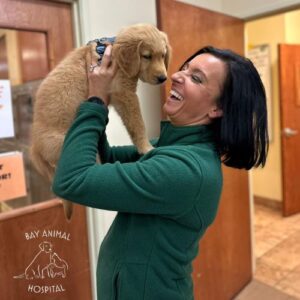
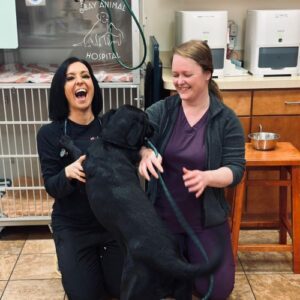
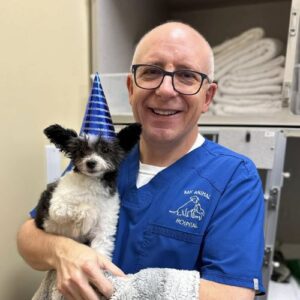
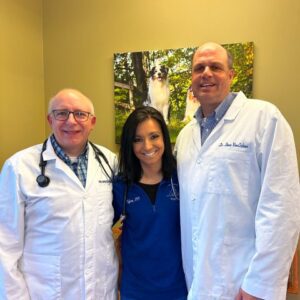
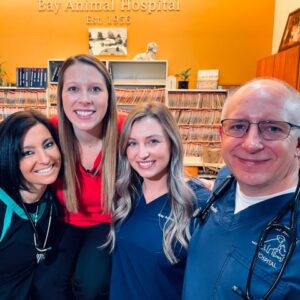
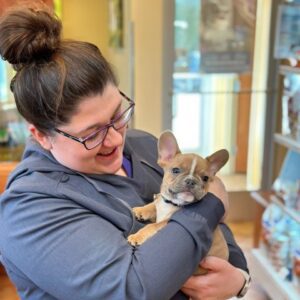
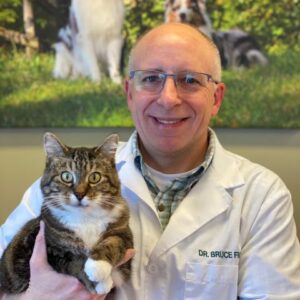
Meet Our Veterinary Team
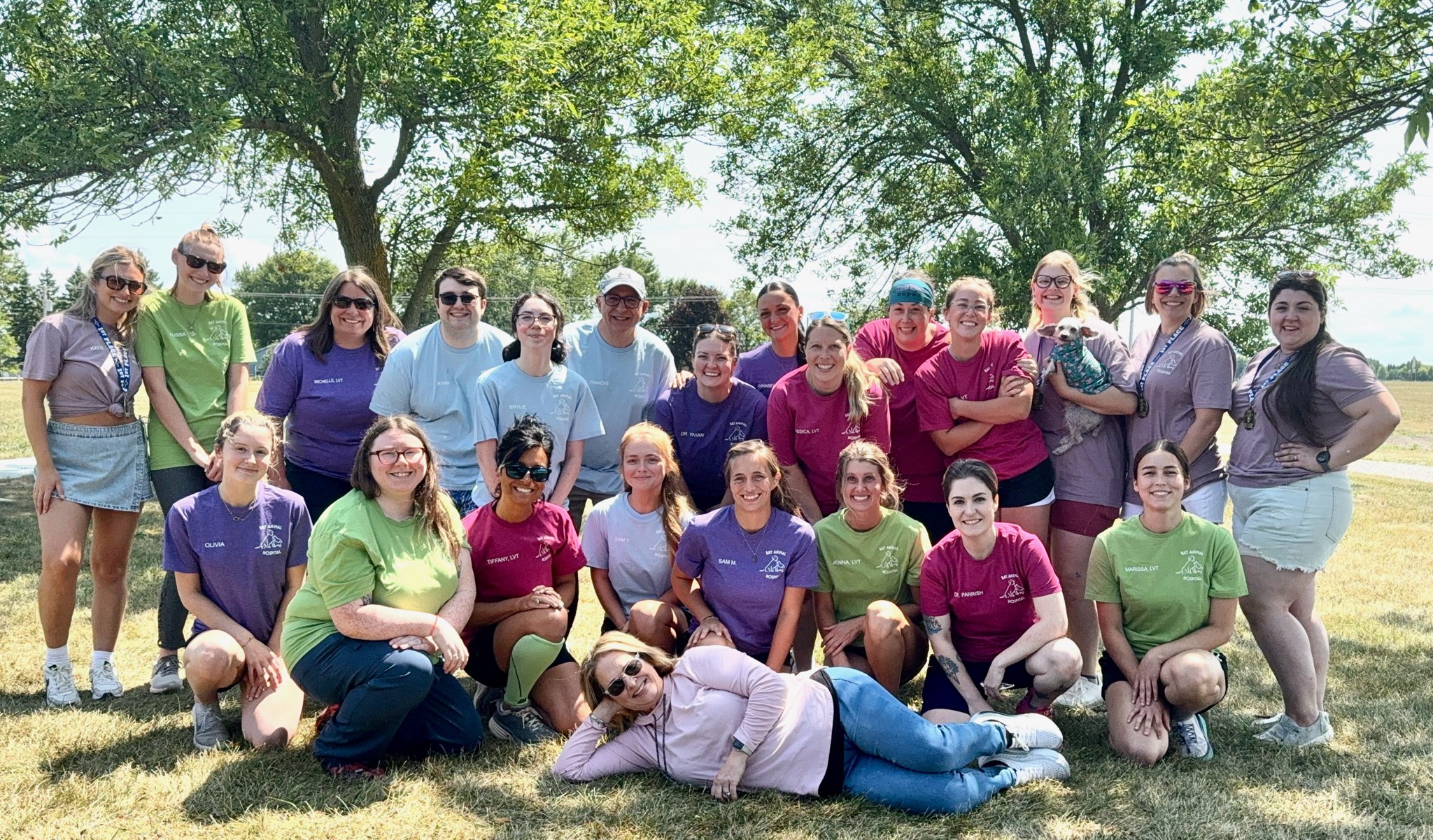
Our veterinarians and support staff bring years of experience, clinical skill, and heartfelt dedication to every appointment. We work collaboratively to ensure your pet receives the best care possible, whether a routine exam or something more complex.

What Our Clients Are Saying
We’re grateful for the trust our clients place in us, and we’re proud to be part of such a compassionate, pet-loving community. See what local families have to say about their experience at Bay Animal Hospital.

“Everyone is always so nice and professional. They take great care of my fur baby!! Best group of veterinarians, technicians, and front desk staff in the Tri-City area!! They always do their best to try to get you in the same day, and I love that about this place!! Highly recommend!! Thanks for taking such great care of our Hunter!!”
-Mistie P.
“Friendly place for your fur family and humans. They explain everything so you understand your pet’s needs and offer advice on how to maintain a healthy pet. Always willing to go above and beyond for fur children. Work great with my special needs dogs or a healthy pet, making visits easy on my pets and all at Bay Animal Hospital. Love the Dr’s, vet techs, and staff.”
-Lisa K.
“Absolutely the best experience I have had so far. Since Covid, I haven’t been to my regular vet and have just done Tractor Supply vets that come in ( which are amazing), but everyone here was just soooo nice and the vet didn’t push a bunch of things. But gave me suggestions and was very compassionate and informative ❤️”
-Bridget L.
Caring For Essexville's Pets Since 1956
Located in the heart of Essexville, we’re here to serve the pets of Bay City, Saginaw, Midland, and beyond. As a privately owned hospital, we offer personalized, continuity-based care that larger corporate clinics simply can’t match. Whether you’re visiting us for the first time or have been part of our family for decades, we welcome you with open arms — and open hearts.